
| Datum | 01 juli 2017 |
|---|---|
| Thema | Preventie en health promotion |
| Type |
|
| Tags | |
| Deel |
Posterpresentatie
Objective
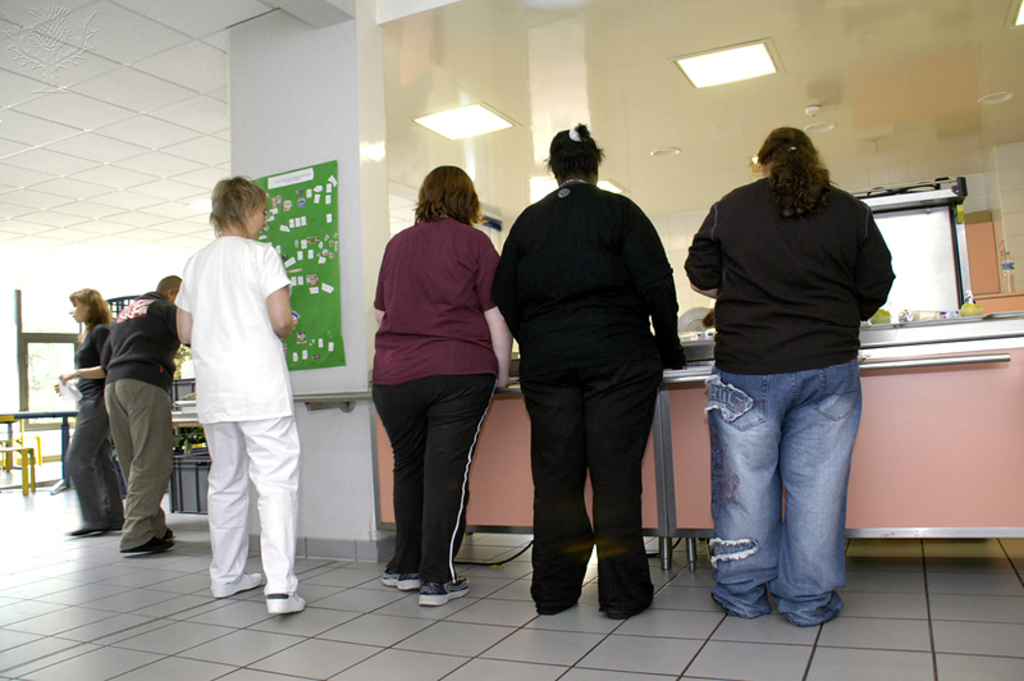
It is often suggested that people are more prone to succumbing to unhealthy foods when they are low in self-control. The present study investigates the effect of state self-control on food purchases in a real-life setting; a university canteen.
Study Design, Setting, Participants
In 163 participants (56% men, 76% students) with a mean age of 28 (±11) years, state self-control was measured upon arrival at the canteen, by 3 items of the State Self-control Scale (Ciarocco et al., 2010). After returning from the cashiers, participants filled out which food product(s) they bought. Time was recorded when participants entered the canteen, and when they returned.
Outcome Measures and Analysis
The effect of state self-control on food purchases was analyzed by a logistic regression analysis with healthy vs. unhealthy product as dependent variable and state self-control as independent variable. Time spent at the canteen was added to the model as exploratory variable.
Results
Whereas there was no main effect of state self-control (p=.56), time predicted food purchases (OR=1.003, p=.04). The longer participants stayed at the canteen (mean time = 6 minutes, 23 seconds), the more often they bought an unhealthy product. Participants buying an unhealthy product spent on average 54 seconds longer than participants buying a healthy product.
Conclusions and Implications
A longer time spent at the canteen was associated with buying unhealthy foods. Deliberating between (healthy vs. unhealthy) choice options, and/or a longer exposure to tempting food cues, may lead to unhealthy purchases. Insight into the mechanism underlying this relationship may have practical implications for interventions in promoting healthy choices at point-of-purchase settings.
Salmon, S., Kloek, G., Langius, J., & de Vries, S. (2017). Not State Self-Control, but Time Predicts Unhealthy Food Purchases. Journal of Nutrition Education and Behavior, 49(7), S87-S88.